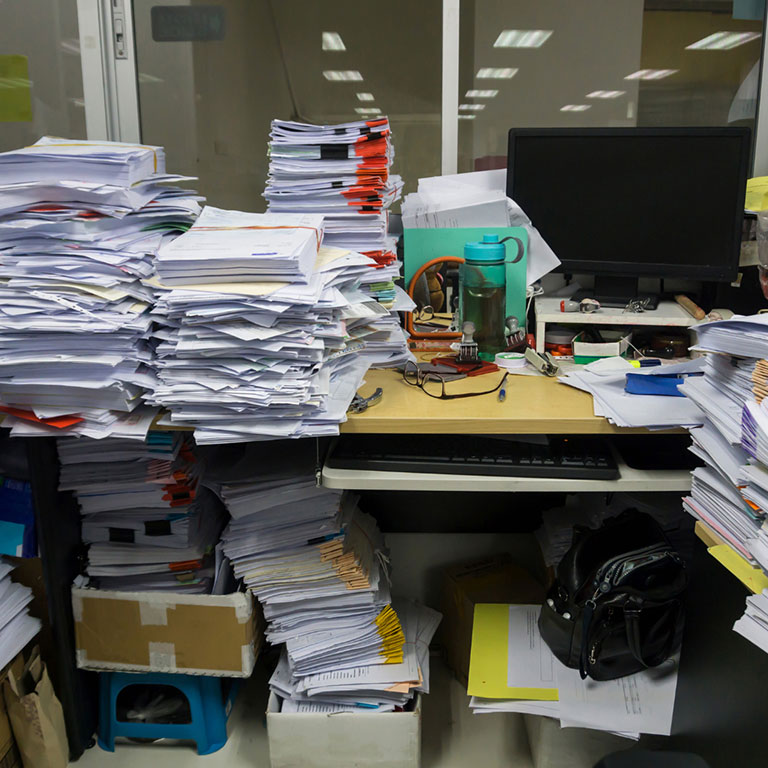
Zero waste strategies for businesses provide practical ways to reduce landfill waste, conserve resources, improve recycling, and build more sustainable operations. From preventing unnecessary waste to reusing materials and recovering recyclable resources, businesses can take meaningful steps toward a more circular economy.
Zero waste is not simply about recycling more. It starts with avoiding waste wherever possible, making better purchasing decisions, extending the useful life of products, and ensuring materials are recovered responsibly at the end of their use.

Circular Economy and Recycling: Building Blocks of a Zero-Waste Business
The circular economy and recycling are important building blocks of a zero-waste business. Rather than following a take-make-dispose model, circularity focuses on preventing waste, reducing material use, extending product life, reusing resources, and recycling materials wherever possible. These principles help businesses make better use of resources and reduce the amount of waste sent to landfill.
For businesses, understanding the building blocks of circularity can help improve purchasing decisions, reduce landfill waste, and make better use of materials across daily operations.
Zero waste is more than a sustainability statement. For businesses, it is a practical approach to reducing unnecessary waste, improving resource efficiency, and taking greater responsibility for what happens to materials after use.
Customers, employees, and business partners increasingly expect organizations to demonstrate environmental responsibility through meaningful action. For Calgary businesses, adopting zero-waste strategies for Zero Waste: 10 Practical Strategies Businesses Can Use to Lead Sustainability
Zero waste is more than a sustainability statement. For businesses, it is a practical approach to reducing unnecessary waste, using resources more efficiently, and taking greater responsibility for materials throughout their lifecycle.
From offices and retail stores to warehouses and manufacturing facilities, businesses generate paper, cardboard, packaging, electronics, food waste, and other materials that may be reused or recovered instead of discarded.
By implementing zero-waste strategies for businesses, organizations can identify avoidable waste, improve recycling practices, and make more informed purchasing and operational decisions.
The objective is not to claim that every material can be eliminated or recycled. It is to prevent waste wherever possible, keep products and materials in use for longer, and measure progress honestly.
What Is Zero Waste?
Zero waste is an approach to resource management that aims to prevent waste through responsible production, purchasing, consumption, reuse, and material recovery. Rather than treating discarded materials as garbage, a zero-waste approach looks for opportunities to preserve their value and return them to productive use.
The Zero Waste International Alliance defines zero waste around conserving resources through responsible production and consumption, reuse, and recovery of products, packaging, and materials.
For businesses, this means looking beyond recycling bins. It includes reviewing purchasing decisions, reducing packaging, extending the life of equipment, reusing materials, and improving how waste is sorted and processed.
A practical zero-waste approach follows this order of priorities:
- Prevent and reduce: Avoid unnecessary materials and purchases.
- Reuse and repair: Extend the useful life of products and equipment.
- Recycle: Recover materials that can be processed into new products.
- Recover: Consider appropriate recovery options when reuse and recycling are not viable.
- Dispose responsibly: Manage remaining waste through appropriate disposal methods.
This approach aligns with the waste management hierarchy outlined by the Government of Alberta, which places waste reduction above reuse, recycling, recovery, and disposal.
Zero waste is a long-term goal. Businesses can make meaningful progress by identifying practical opportunities, setting measurable targets, and improving their processes over time.
Why Should Businesses Adopt Zero-Waste Practices?
A well-planned waste reduction program can support operational efficiency, resource conservation, and environmental accountability.
Reduce avoidable costs. Better purchasing, reduced packaging, and improved material handling can help businesses identify unnecessary spending.
Improve resource efficiency. Reusing products and recovering recyclable materials can reduce the need to continually purchase new resources.
Strengthen environmental accountability. Tracking waste generation and recovery gives businesses a clearer picture of their environmental performance.
Support sustainability reporting. Reliable records can help organizations substantiate environmental claims and report progress to customers, employees, and business partners.
Prepare for changing expectations. Customers and stakeholders increasingly want businesses to demonstrate environmental responsibility through practical action rather than broad promises.
The results depend on the business, the materials it generates, its service arrangements, and the availability of suitable recovery options.
10 Zero-Waste Strategies for Businesses
Implementing zero waste strategies for businesses starts with understanding where waste comes from, identifying opportunities to reduce material use, and establishing practical systems for reuse, recycling, and resource recovery.
1. Conduct a Business Waste Audit
The first step is understanding what your business throws away and why.
Review the materials generated by your operations, including paper, cardboard, packaging, plastics, food waste, electronics, and general garbage. Identify where these materials originate, how much is generated, and how they are currently handled.
A waste audit can reveal opportunities to reduce purchasing, improve sorting, and identify materials that may have a viable reuse or recycling option.
Practical action: Review collection records and inspect representative waste streams. Establish a baseline before setting reduction targets.
2. Reduce Waste at the Source
Preventing waste is generally preferable to managing it after it has been created.
Businesses can reduce waste by limiting unnecessary printing, ordering appropriate quantities, choosing durable supplies, reducing excess packaging, and reviewing products that are regularly discarded unused.
Purchasing decisions should consider product lifespan, packaging requirements, repairability, and opportunities for reuse.
Practical action: Identify one recurring purchase that generates unnecessary waste and evaluate whether a reusable alternative, different product, or smaller order would be suitable.
3. Improve Commercial Recycling
Commercial recycling works best when materials are sorted correctly and collection arrangements match the needs of the business.
Paper, cardboard, and other accepted materials should be separated according to the requirements of the recycling provider. Contamination from food, liquids, unsuitable plastics, or other materials can affect the quality and recoverability of a recycling stream.
Make sorting instructions clear and place collection containers where employees actually generate waste.
Practical action: Confirm which materials your provider accepts, improve signage, and review recurring contamination problems.
4. Improve Cardboard and Packaging Recovery
Cardboard and paper packaging are common business waste streams that can often be recovered for recycling.
Businesses that generate significant cardboard volumes should consider dedicated collection arrangements, appropriate storage, consistent sorting, and contamination prevention.
Waste reduction can also begin before packaging reaches the recycling stage. Better box sizing, reduced excess packaging, and reusable transport materials may help limit material use.
Practical action: Track your cardboard volume and review whether your current collection frequency, storage capacity, and sorting procedures are appropriate.
Businesses looking to improve their packaging practices can also explore PULP Boxes, which is part of PULP Canada’s broader sustainability ecosystem.
5. Reduce Single-Use Materials
Single-use items can create recurring waste across offices, warehouses, retail operations, and food-service businesses.
Where practical, consider reusable containers, refillable dispensers, durable workplace supplies, and purchasing policies that avoid unnecessary disposable products.
Reusable alternatives should be evaluated based on their durability, cleaning requirements, operational suitability, and overall resource use.
Practical action: Select one frequently discarded item and compare the cost and operational requirements of a reusable alternative.
6. Make Employees Part of the Process
Employees play an important role in the success of a waste reduction program.
Clear instructions help people understand what belongs in each collection stream and why proper sorting matters. Training should be straightforward, relevant to daily tasks, and easy to follow.
Managers should also provide a way for employees to report overflowing bins, confusing instructions, and recurring waste problems.
Practical action: Introduce a short waste-sorting guide and assign responsibility for reviewing contamination and collection issues.
7. Choose Suppliers That Support Waste Reduction
Suppliers influence the quantity and type of materials entering your business.
When evaluating suppliers, consider packaging volumes, product durability, repair options, reusable transport materials, recycled content, and opportunities to consolidate deliveries.
For packaging, right-sizing boxes and selecting suitable materials can help reduce unnecessary resource use while maintaining product protection.
Practical action: Include packaging efficiency and end-of-life material recovery in your next supplier review.
8. Manage Electronic Waste Responsibly
Computers, monitors, peripherals, and other electronic equipment require appropriate end-of-life handling.
Businesses should establish a process for determining whether retired equipment can be reused, refurbished, or sent to an appropriate electronics recycling provider.
Data-bearing devices require additional attention. Sensitive business information should be securely sanitized or destroyed using a process appropriate to the device and organizational requirements before equipment enters a recycling stream.
Practical action: Create a documented equipment retirement process that addresses information security, reuse, and responsible recycling.
9. Measure Waste Diversion and Progress
A credible zero-waste program relies on evidence rather than broad environmental claims.
Businesses can track:
- Total waste generated over a defined period
- Quantity of materials sent for reuse or recycling
- Reported or documented landfill diversion
- Contamination in recyclable materials
- Changes in purchasing, collection, and disposal costs
Compare results over consistent reporting periods. Distinguish measured results from estimates, and ensure that reported diversion figures reflect the available records.
Practical action: Establish a baseline using collection and processing data, then review progress quarterly.
10. Work With Accountable Waste and Recycling Partners
Businesses often rely on external providers to collect and process discarded materials. Their capabilities, reporting, and handling practices can affect the results of a sustainability program.
Ask providers which materials they accept, how they manage contamination, where materials are processed, and what documentation they can provide.
For confidential materials, environmental responsibility must also account for information security and chain of custody.
Practical action: Review your providers against clear requirements for accepted materials, service reliability, documentation, and processing transparency.
Zero Waste and the Circular Economy
The circular economy aims to keep products and materials in use for as long as practical, rather than following a linear pattern of extracting resources, manufacturing products, and discarding them.
For businesses, circular practices may include repairing equipment instead of replacing it, reusing shipping materials, purchasing products made with recycled content, and ensuring recyclable materials are properly separated.

The Government of Canada’s circular economy resources provide additional guidance on how individuals, communities, and businesses can contribute.
Zero-waste practices support this approach by prioritizing prevention, reuse, and material recovery. Recycling remains important, but it is one part of a broader strategy to conserve resources and reduce unnecessary waste.
How PULP Recycle Supports Business Sustainability
PULP Recycle is part of PULP Canada’s sustainability-focused business ecosystem. Our broader approach emphasizes responsible material management, resource recovery, and practical opportunities to improve how businesses handle materials at the end of their useful life.
Businesses looking to strengthen their recycling practices should start by understanding the materials they generate, the recovery options available, and the documentation needed to assess results.
PULP’s sustainability approach connects responsible resource use with practical business operations. The objective is to help businesses make informed decisions, improve material handling, and pursue measurable improvements where suitable solutions are available.
Learn more about PULP Canada’s sustainability initiatives and explore how sustainability-focused services can support your organization’s needs.
Ready to Make Your Business More Sustainable?
Reducing waste starts with practical steps. From improving recycling and reducing unnecessary materials to making more responsible purchasing decisions, your business can make progress toward a more sustainable future.
PULP Canada brings together solutions that support a more secure, sustainable, and responsible way of doing business.
Take the next step toward better resource management.
👉 Explore PULP Recycle or contact PULP Canada to learn more.
Frequently Asked Questions About Zero Waste
What is zero waste in business?
Zero waste in business is an approach to preventing waste, reducing unnecessary resource use, extending product life, and recovering materials wherever practical. It is a long-term goal supported by continuous improvement.
How can a small business start a zero-waste program?
Start with a waste audit. Identify the most common materials being discarded, reduce unnecessary purchasing, improve sorting, and determine which materials can be reused or recycled. Establish a baseline so you can measure progress.
Is zero waste the same as recycling?
No. Recycling is one component of zero waste. A broader zero-waste strategy prioritizes preventing waste and reusing products before recycling materials that can no longer be used in their current form.
What is the waste management hierarchy?
The waste management hierarchy ranks options according to their preferred role in responsible material management. In Alberta, the hierarchy prioritizes reduction, reuse, recycling, recovery, and finally disposal.
How can businesses measure waste diversion?
Businesses can review collection records and processor reports to determine the quantity of material diverted from disposal. Reporting methods should be consistent, and estimates should be identified as estimates rather than measured results.
What are the benefits of zero-waste strategies for businesses?
Potential benefits include reduced material waste, improved purchasing efficiency, better recycling practices, stronger environmental reporting, and more informed resource management. Results depend on the business and its operations.
How does the circular economy relate to zero waste?
The circular economy seeks to keep products and materials in use for longer through reuse, repair, refurbishment, and recycling. Zero-waste practices support this objective by preventing unnecessary waste and preserving material value.
How can businesses improve commercial recycling?
Businesses can confirm accepted materials with their provider, use clear signage, separate waste streams correctly, prevent contamination, and review collection data to identify opportunities for improvement.
How does PULP Canada support sustainability?
PULP Canada’s sustainability ecosystem includes PULP Recycle, PULP Boxes, and PULP Source. These businesses have distinct roles within the broader sustainability approach. Contact PULP to discuss which services may be relevant to your requirements.
Conclusion: Make Sustainability Part of Daily Operations
Zero-waste strategies for businesses are most effective when they become part of routine purchasing, operations, employee practices, and supplier management.
Start by understanding your waste streams. Prevent unnecessary waste, reuse materials where practical, improve recycling quality, and measure progress using reliable information.
Small, consistent improvements can reveal larger opportunities over time. The objective is not simply to generate less waste, but to manage resources more responsibly and build a more accountable business.
PULP Canada: Secure. Sustainable. Responsible.
Sources
Government of Alberta: Waste Reduction and Recycling: Waste reduction and recycling
Zero Waste International Alliance: Zero Waste Definition
Government of Canada: Circular Economy: Get involved in the circular economy
Environment and Climate Change Canada: Reducing municipal solid waste
About PULP Canada
PULP Canada brings together businesses focused on security, sustainability, and responsibility under the principle Secure. Sustainable. Responsible.
Our sustainability-focused businesses include PULP Recycle, PULP Boxes, and PULP Source. Each has a distinct role in helping businesses consider responsible resource use, packaging, and sourcing.
We believe sustainability should be grounded in practical action, transparent communication, and measurable progress. That means identifying opportunities to reduce waste, making informed choices about materials, and avoiding environmental claims that cannot be supported by evidence.
Our goal is to help businesses build more responsible operations through solutions aligned with their needs.
Visit PULP Canada to learn more about our businesses and approach.